
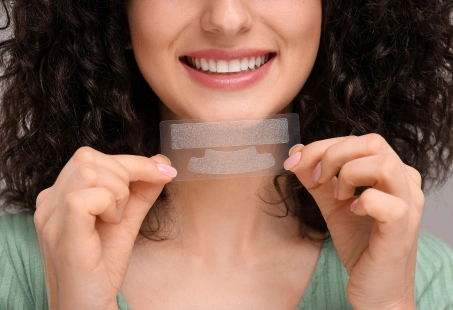
They’re cheap, they’re convenient, and they can actually work – what’s not to like about teeth whitening strips? But at the same time, it’s also true that the use of these dental products has been mired in controversy. Are teeth whitening strips safe? Many have asked this question, and the answer to that is a bit complicated, so let’s find out.
How Are Teeth Whitening Strips Damaging To The Teeth?
Teeth whitening strips are generally considered safe to use. However, it is important that you follow the usage instructions. You also need to be careful about the placement of these strips as they can cause gum irritation or even skin irritation if there’s any contact.
Still, teeth whitening strips are not completely without any side effects. Research published in the American Journal of Dentistry found that some minor and temporary “tooth sensitivity and oral irritation” were the most common adverse effects of hydrogen peroxide whitening strips.
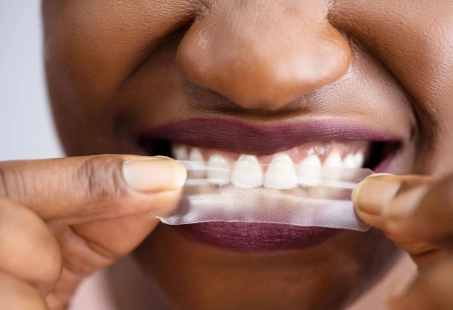
As for concerns regarding whitening strips changing the makeup of the teeth, a study in the Journal of Dentistry concluded that hydrogen peroxide did not change the form and structure of the teeth “surface/subsurface,” as well as their “surface microhardness and micro-chemical composition” remained the same.
Although the American Dental Association does warn that the overuse of teeth whitening products can damage the enamel of your teeth and the gums.
Interestingly, in 2019, a study looked into the effects of teeth whitening strips on dentin – the middle layer of the tooth – instead of the enamel (the outermost layer). And they found it did harm the dentin as the hydrogen peroxide broke the collagen in the dentin into smaller proteins, as reported in the CNN. Despite the need for more research, the findings suggest that the use of whitening strips needs to be carefully considered.
Who Should Not Use Teeth Whitening Strips?
Teeth whitening strips are not for everyone, which is why you must talk to your dentist before using them. You might be advised against them in the following instances:
- You’re pregnant or breastfeeding.
- You have irritated gums.
- You have sensitive teeth.
- You have dental cavities / tooth decay.
- You have gum disease.
- You have metal braces on.
- You’re allergic to any of the ingredients in the strips.
Also, keep in mind that if you have dental restorations like crowns or veneers, teeth whitening strips won’t work on them as their original colour doesn’t change. Still, it’s always a good idea to ask your dentist to prevent any damage to your teeth.
As far as the use of whitening strips among children is concerned, certain manufacturers do warn that whitening strips should not be used by children below the age of 12. The General Dental Council (GDC) has also stated that the products “containing or releasing between 0.1% and 0.6% hydrogen peroxide” are not to be used on people below the age of 18. The only exception is where it “wholly” needs to be used for disease prevention or treatment.
Whitening products with these concentrations are also only “sold to dental practitioners,” while those having less than 0.1% hydrogen peroxide are still on the market. However, those exceeding the limit are not legal in the UK (which is why the sale of certain whitening strips is banned).
One more thing you need to be careful about is where you buy your whitening strips from. Research conducted by Which? – a consumer group in the UK – found out that online stores sell teeth whiteners with a very high concentration of hydrogen peroxide, which can be harmful for both the teeth and the gums.
How Often Can You Use Whitening Strips?
As noted in the Journal of Evidence-Based Dental Practice, usually, the instructions include the application of the strips 2 times a day for half an hour and for as long as 2 weeks. The effects of the product can be seen in a couple of days, and the teeth can lighten by 1-2 shades.
The researcher also notes that some products only require the application of these strips once a day for 30 minutes. However, with any whitening strips, you must follow the directions of usage on the product itself.
What Are The Alternatives To Teeth Whitening Strips?
While there are many other whitening products available in the market, including whitening pens, whitening toothpastes, tray whiteners, and at-home kits, it’s best to consult your dentist.
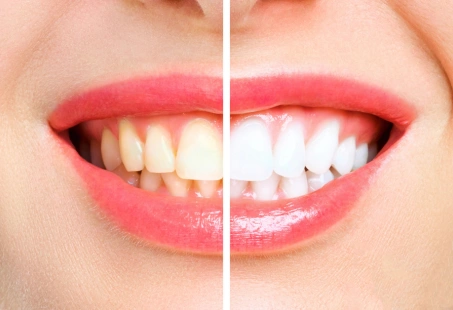
If your teeth are badly stained and you want to see the results immediately after the treatment, you might be recommended an in-office teeth whitening. It uses a higher concentration of peroxide and a laser to accelerate the whitening process. Your dentist will also make sure that you receive the treatment safely.
And before anything else, your dentist will examine your teeth and mouth to determine if you’re even a suitable candidate. Teeth whitening treatment is not recommended for those with tooth injuries, gum disease, cavities, those who are pregnant or breastfeeding, or individuals under the age of 16. However, those who can get it can see a dramatic improvement, with their teeth becoming several shades whiter.
Conclusion
While teeth whitening strips are safe, you need to be aware of their potential side effects. Additionally, even though they’re quite effective, they should not be used by some people as they can worsen their oral health. The health of your teeth is of utmost importance because if they incur permanent damage, you can end up needing more costly treatments. Make sure to find an experienced and qualified dentist and discuss your needs with them.
Reviewed and approved by Dr Izbel Aksit
