
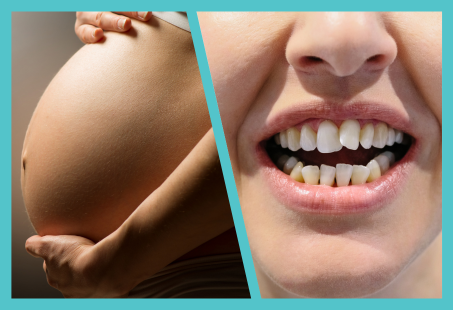
Dr Gizem Seymenoglu, a GDC-registered dentist and medical aesthetician with Longevita Dental, has warned mums-to-be that pregnancy can significantly impact their oral health, leading to conditions like gingivitis and tooth decay, among others.
How Can Pregnancy Affect Women’s Oral Health?
According to Dr Gizem, the hormonal changes during pregnancy can adversely affect the gums by causing what’s known as gingivitis — an early stage of gum disease.
“Swollen, red and bleeding gums are a common occurrence during pregnancy due to hormonal changes, which make the gums more sensitive to plaque. However, if left untreated, gingivitis can progress to much more damaging periodontitis, which can wreak havoc on your teeth. It can give you bad breath, bleeding and receding gums, loose teeth and might even result in tooth loss. What’s more is that this condition can affect pregnancy outcomes, such as preterm birth and low birth weight of the baby. So, it’s no minor issue.”
Aside from that, a pyogenic granuloma can also affect the gum tissue during pregnancy, according to Dr Gizem.
“It’s a red, round lump that forms on the gums. It’s noncancerous, but it has a tendency to bleed easily.”
The dentist further noted that pregnant women may have a higher risk of developing cavities due to the changes in their eating habits and potentially passing the cavity-causing bacteria to the baby.
“Pregnant women can feel more hungry, and so that might lead to frequent snacking. But if a lot of sugary or carbohydrate-rich foods are consumed, it will directly lower the pH of the mouth.
Now, demineralisation of the teeth occurs when the mouth’s pH drops and when that happens, the risk of cavities increases.
Because of this, I always recommend my pregnant patients consume foods in a way that “balances” the pH of the mouth. So, for instance, if they are going to eat something sweet, they should also drink some milk or eat a spoonful of yoghurt alongside.”
Xerostomia, or dry mouth, is another common issue during pregnancy, and according to the expert:
“Dry mouth can be caused by morning sickness, but vomiting can also affect the enamel of your tooth.
Normally, the stomach acid doesn’t rise to the mouth, but when it does, it can erode the enamel due to its low pH and make the teeth “worn”.
Usually, pregnant women do not experience this — it occurs more frequently in conditions like anorexia. Still, if the vomiting is frequent enough, enamel wear can occur.”
Are Pregnancy-Related Changes To The Oral Health Permanent?
Dr Gizem explained that the hormonal changes in the gums are temporary, but tooth decay will, of course, be permanent, requiring different treatments like fillings or root canals. However, if tooth loss has occurred or extraction is required, you might then need more expensive treatments like a bridge or an implant with a dental crown.
How To Best Take Care Of Your Oral Health During Pregnancy?
The dental expert advises on a number of preventative measures, including:
- Getting regular dental check-ups — It’s absolutely crucial that you see your dentist every 6 months for cleanings and dental exams. However, this might possibly need to be done more frequently during the second and third trimesters of pregnancy.
- Maintaining good oral hygiene — Brush your teeth twice a day, floss daily, and perhaps it might be better to use a water flosser.
- Having a healthy diet — You should consume a well-balanced diet that is rich in essential nutrients and calcium. Calcium-rich enamel and dentin are less prone to demineralisation. It’s also important to reduce your intake of sugary snacks and beverages to minimise the risk of cavities.
- Stay hydrated — Make sure you drink plenty of water to help with a dry mouth.
