
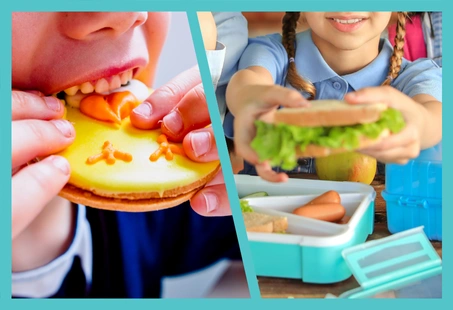
Every parent wants to send their child to school with a lunch that’s both healthy and tasty. Packed lunches might look harmless but according to a May 2024 Food Foundation report, fewer than 2% of them actually meet the UK School Food Standards. That means most kids are actually eating meals that don’t just miss the nutritional milestones but may also put their teeth to risk.
Dr. Gizem Seymenoglu, a GDC-registered dentist with Longevita Dental, warns that sugary and processed lunchbox foods are among the biggest culprits behind tooth decay, sensitivity and enamel erosion in children.
Are Packed Lunches Putting Children’s Teeth at Risk?
Despite parents’ best intentions, packed lunches in the UK are consistently falling short. A January 2025 study by School Food Matters found only 1.6% met standards, with vegetables included in just 17% while 52% contained excessively sweet snacks.
Cost also plays a role: a Food Foundation UK on May 16, 2024, showed healthier packed lunches cost parents approximately 45% more, pushing many households towards cheaper and highly processed foods that may fill children up but compromise their long-term dental health.
Dr Gizem explains: “Preparing a healthier lunch box may be a little more expensive, but it is not that difficult. Even simple swaps like choosing fresh vegetables instead of processed snacks or even sending water instead of fizzy drinks can make a big difference in protecting children’s teeth.”
Do Carbs Cause Tooth Decay?
“Most lunchboxes rely on white bread sandwiches and refined carbohydrates.“ According to Dr Gizem Seymenoglu: “These quickly convert into sugars that lower the pH level in the mouth. When pH drops, the enamel begins to dissolve and soften, leaving the teeth exposed. The softened enamel then becomes an easy target for bacteria, which can attack the tooth surface and accelerate decay. Low-fiber foods are the worst offenders because they don’t provide the protective effect that protein and healthy fats do.”
Sticky Foods Are Bad for Teeth
Many lunchboxes are packed with sweet snacks such as jellies, hard candies, biscuits and even “healthy” fruit-yogurts. Dr. Gizem Seymenoglu explains: “Sticky and sugary snacks cling tightly to the enamel and don’t wash away easily with saliva. This keeps sugar on the tooth surface for much longer, allowing bacteria to feed and release acid. If a child eats biscuits or sweets five times across the school day, the teeth are hit with acid attack again and again, leaving no time for recovery.”
Even foods marketed as healthy can be misleading. “Many fruit-flavored yogurts contain as much sugar as a chocolate bar, cancelling out their calcium benefits.”
Dr Seymenoglu warns: “Parents often think yogurt pots are protective, but their high sugar makes them just as damaging as desserts.”
She often demonstrates the risk of gummies: “Families know gummies are bad, but they are shocked to learn how quickly their sticky, chewy texture glues sugar to enamel. Without brushing at school, bacteria are given hours to thrive.”
Best Fruits and Vegetables for Healthy Teeth
“Fruit is healthy, but it still contains natural sugars and acids that can harm teeth if eaten too frequently. Vegetables, on the other hand, actively help protect teeth by stimulating saliva and washing away food particles.”
Dr Gizem Seymenoglu explains: “Fresh fruits like strawberries, bananas and grapes don’t cause major issues in moderation, but dried fruits are more dangerous because they cling to teeth. In the UK, children are often given orange slices at school but many just suck the juice and throw away the peel. This keeps acid in the mouth for too long and weakens enamel. It’s fine to pack orange slices in lunch box, but make sure your child eats them properly rather than sucking on them for prolonged periods”
To make lunchboxes more tooth-friendly, Dr Gizem recommends:
- Add a variety of crunchy vegetables such as cucumber, carrot sticks or bell peppers to stimulate saliva and reduce acid.
- Pair fruit with vegetables, for example grapes with cucumber slices to balance sugar exposure.
What Drinks Are Good for Your Teeth (and Which Ones Aren’t Bad) ?
Drinks are one of the most overlooked parts of a packed lunch, yet they can have the greatest impact on a child’s teeth. Many lunchboxes still include fizzy or sugary drinks. Over time, they don’t just cause cavities, but also lead to sensitivity, discoloration and even faster tooth wear.
Dr Gizem Seymenoglu explains; “Cola, lemonade, flavored waters or even energy drinks are very harmful because they combine sugar and acidity, which erodes enamel and sustains bacteria at the same time. Their frequent consumption can lead to sensitivity and an aged appearance.”
When it comes to drinks, she recommends:
- Always prefer water. It is the safest daily drink for protecting teeth.
- Consider milk as a second choice. Plain and unsweetened milk provides calcium without acidity.
- Avoid flavored waters, even those marketed as healthy as they often contain hidden sugars and additives.
- If a child consumes a sweet or fizzy drink, encourage them to sip water afterward. This helps wash away sugar and acid residues and helps the mouth in returning to a healthy balance.
Packed Lunch vs. School Lunch: Which Is Healthier for Kids?
Research shows school meals are generally more balanced than packed lunches, though not always perfect. Dr Gizem Seymenoglu says, “Still, many state schools serve repetitive options like fish finger and chips, which are filling but far from ideal for dental or even general health. The reality is that children often reach for bread or fried items first, thus, leaving more nutritious components untouched.”
She also highlights; “Balance is key. Children need protein, wholegrain carbohydrates and vegetables. A hot school meal, even if simple, is usually better than a packed lunch dominated by bread and sugary snacks.”
Dr Gizem highlights a few essentials for parents to remember when planning school lunches:
- A school meal filled with protein, vegetables and whole grains is better than a lunchbox that is heavy on carbohydrates.
- Global campaigns like Jamie Oliver’s Feed Me Better show the benefits of balanced meals, but consistency in schools always matters.
- Packed lunches can still be a good choice if built with variety and balance, not just convenience.
Packed lunch ideas for school
Healthier packed lunches don’t have to be so expensive or complicated with multiple steps. Small changes can make a big difference without adding too much to the weekly shop.
- Replace dried fruit with fresh produce. Instead of raisins or dried mango, pack carrot sticks, cucumber slices or apple wedges.
- Swap sugary fruit yogurts for plain yogurt and add three or four fresh strawberry slices for flavor without the sugar load.
- Choose water or milk instead of fizzy or flavored drinks.
- Include biscuits or cereal bars with the main lunch rather than as snacks, so teeth face fewer acid attacks during the day.
From Lunchboxes to Smiles: Protecting Children’s Teeth
Packed lunches don’t have to be a dental danger zone. The research is clear, most lunchboxes are too high in sugar and too low in balance, but small and thoughtful swaps can change that. Parents don’t need to overhaul everything overnight.
Dr Gizem Seymenoglu offers this reassurance; “It’s about banning all the foods children enjoy, it’s about making smarter choices day by day. Even one change can have a lasting impact on a child’s dental health. Protecting smiles really does start with the lunchbox.”
