
Summary:
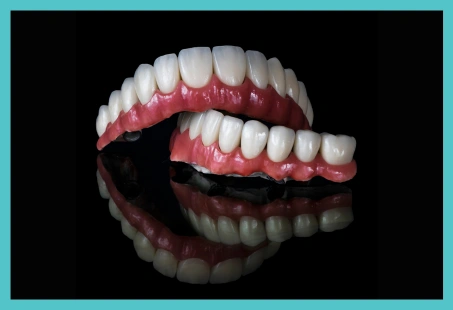
- An implant-supported bridge is a fixed dental restoration that replaces multiple missing teeth in a row using dental implants for support instead of natural teeth.
- The main components of an implant-supported bridge are titanium implants that act as artificial roots and a custom-made bridge that restores natural appearance and function.
- Bone grafting is required when bone loss has occurred due to gum disease, long-term tooth absence, or trauma, to rebuild the foundation before implant placement.
- It is recommended for patients missing several adjacent teeth who want to avoid filing healthy teeth and prefer a long-term, stable solution.
- Unlike traditional bridges, implant-supported bridges do not rely on neighboring teeth and help prevent jawbone loss by stimulating bone tissue.
- The treatment process includes consultation and planning, implant placement, a 3–6 month healing phase for bone integration, bridge fabrication, and final placement.
- Advantages of implant-supported bridges include strong bite force, bone preservation, protection of healthy teeth, and a natural look and feel.
- The cost of having an implant-supported bridge in Turkey typically ranges from £1,600 to £3,000, compared to £5,000–£8,000 for a similar treatment in the United Kingdom.
- An implant-supported bridge procedure in Turkey usually requires 5–7 appointments over a period of 3–6 months, with additional visits if bone grafting or complex adjustments are needed.
Replacing missing teeth is not just about looks. It restores chewing function, protects oral health, and rebuilds self-confidence. An implant-supported bridge offers a modern, stable, and long-lasting solution for patients missing multiple teeth in a row. Whether you’re replacing a tooth for the first time or updating an old restoration, understanding how an implant-supported bridge works can help you choose the best treatment.
What Exactly Is an Implant-Supported Bridge?
An implant-supported bridge is a fixed dental restoration used to replace multiple missing teeth in a row. Unlike traditional bridges that rely on adjacent teeth for support, this solution uses dental implants placed into the jawbone to act as anchors. The implants hold a custom-designed bridge that restores chewing function, maintains facial structure, and delivers a natural-looking smile.
Key Components of an Implant-Supported Bridge:
- Implants as Artificial Roots: Titanium posts are surgically inserted into the jawbone, fusing through osseointegration for exceptional stability.
- Bridge as the Replacement Teeth: Connected crowns are custom-made to match your natural teeth in shape, color, and size, then attached to the implants.
- Permanent and Stable: Offers a fixed, non-removable restoration that feels and functions like natural teeth.
When Is an Implant-Supported Bridge Recommended?
An implant-supported bridge is especially suited for patients who:
- Have Multiple Missing Teeth in a Row: Often three or more teeth in one section.
- Prefer to preserve healthy teeth: No need to file down neighboring teeth as with traditional bridges.
- Want Long-Term Oral Health Stability: Dental Implants prevent jawbone loss and maintain bite alignment.
- Need Stronger Chewing Function: Provides greater bite force compared to removable partial dentures.
- Desire Improved Aesthetics: Porcelain or ceramic bridges are shade-matched to blend seamlessly with natural teeth.
How Does an Implant-Supported Bridge Differ From Other Dental Bridges?
An implant-supported bridge is fundamentally different from other bridge types in the way it is anchored, its effect on surrounding teeth, and its long-term oral health benefits. Instead of relying on natural teeth for support, it is secured to dental implants placed directly into the jawbone, making it stronger, more durable, and better for preventing bone loss in the missing tooth area.
Traditional Dental Bridge
When considering a traditional dental bridge for tooth replacement, note the following features:
- Support Method: Anchored by crowns cemented onto adjacent natural teeth.
- Tooth Preparation: Requires grinding down healthy teeth, which can weaken them.
- Bone Health: Does not prevent jawbone loss because no implant is present.
- Durability: lasts around 10–15 years, sometimes less if supporting teeth are compromised.
- Best Suited For: Patients with strong, healthy adjacent teeth and do not want implants.
Maryland Bridge (Resin-Bonded Bridge)
When considering a Maryland (resin-bonded) bridge for tooth replacement, keep in mind these key characteristics:
- Support Method: Uses a metal or porcelain framework bonded to the back of adjacent teeth.
- Tooth Preparation: Minimal or no removal of natural tooth structure.
- Limitations: Less stable and prone to loosening in high-bite-pressure areas.
- Appearance: Can look natural, but metal wings may cause slight discoloration over time.
- Best Suited For: Small gaps in the front teeth with lighter bite pressure.
Cantilever Bridge
For patients with minimal tooth support or lighter bite pressure, a cantilever bridge can be an option with these key details:
- Support Method: Attached to only one adjacent tooth instead of two.
- Risks: Can create uneven force, stressing the supporting tooth and risking damage.
- Bone Health: Does not prevent bone resorption since no implant is present.
- Appearance: Can look natural, but metal wings may cause slight discoloration over time.
- Best Suited For: Limited cases where only one adjacent tooth is available and bite pressure is light.
Who Is a Good Candidate for an Implant-Supported Bridge?
An implant-supported bridge is best suited for patients who meet certain oral health, bone structure, and lifestyle requirements. A thorough evaluation by a dentist or oral surgeon, including a full medical and dental history, panoramic X-rays, and possibly a CBCT scan, will determine eligibility.
Sufficient Jawbone Density and Volume
Before placing implants, your dentist evaluates bone strength and structure to ensure long-term success by examining:
- Why It’s Critical: Dental implants act as artificial tooth roots, so strong bone is essential for stability and long-term integration.
- Assessment Method: Dentists use panoramic X-rays or 3D CBCT imaging to measure bone height, width, and density.
- When Bone Grafting Is Required: If bone loss has occurred due to gum disease, long-term tooth absence, or trauma, a grafting procedure (or sinus lift in the upper jaw) can rebuild the foundation before implant placement.
Healthy Oral and General Condition
To ensure proper healing and long-term implant success, patients should have the following health conditions under control:
- Systemic Health: Patients should be free from uncontrolled diabetes, immune disorders, or conditions that delay wound healing.
- Oral Health: Active gum disease, untreated decay, or oral infections must be treated first. A healthy mouth reduces the risk of peri-implantitis ( inflammation around implants).
Non-Smoker or Prepared to Quit Temporarily
Smoking can reduce blood flow and slow down healing, which increases the risk of implant failure. Patients are advised to stop smoking at least 1–2 weeks before surgery and remain smoke-free for several months afterward to ensure better recovery and long-term success.
Missing Multiple Adjacent Teeth
For patients who have lost multiple adjacent teeth, the following approach provides both functional and aesthetic restoration:
- Best Case Scenario: Ideal for patients missing two to four consecutive teeth, where placing a single implant for each tooth would be unnecessary and cost-prohibitive.
- Function & Aesthetics: Restores chewing efficiency and prevents visible gaps while maintaining natural smile symmetry.
What is the treatment process for an implant-supported bridge?
An implant-supported bridge treatment involves a structured, multi-phase approach that ensures long-term stability, natural aesthetics, and proper bite function.
Comprehensive Consultation & Digital Planning
Before surgery, your dentist performs a detailed evaluation and creates a customized treatment plan through the following steps:
- Medical & Dental History Review: Your dentist evaluates past dental work, systemic health conditions, and any risk factors like smoking or diabetes.
- Advanced Imaging: Panoramic X-rays and CBCT scans assess bone height, density, nerve pathways, and sinus position.
- Custom Treatment Plan: The exact Number and placement of implants are planned using 3D modeling to ensure optimal load distribution and aesthetic outcome.
Surgical Preparation & Implant Placement
Once the treatment plan is finalized, the surgical phase begins with careful preparation and precise implant placement that includes:
- Pre-Surgical Procedures (If Needed): Bone grafting or sinus lifts are performed if jawbone density is insufficient.
- Guided Implant Surgery: Implants are inserted precisely into predetermined positions using surgical guides.
- Biocompatible Materials: Titanium (most common) or zirconia implants are selected based on patient needs and possible allergies.
Healing & Osseointegration Phase
After implant placement, the healing stage begins, allowing the implants to bond naturally with the bone through the following process:
- Integration Timeline: Over 3–6 months, the implants fuse with the jawbone for maximum stability.
- Temporary Restoration: Patients may receive a temporary acrylic bridge to maintain chewing function and aesthetics during healing.
- Monitoring: Follow-up visits check healing progress, implant stability, and gum health.
Precision Bridge Fabrication
For the best fit and natural results, your dentist designs and fabricates your bridge using advanced techniques such as:
- Digital or Physical Impressions: Captured for exact fit and bite alignment.
- Material Selection: High-strength porcelain-fused-to-metal, zirconia, or all-ceramic options are chosen for durability and appearance.
- Shade Matching: Ensures the bridge blends seamlessly with natural teeth.
Final Bridge Placement & Bite Adjustment
The final stage of treatment focuses on securely attaching the bridge and perfecting bite alignment through:
- Attachment Method: Bridge is secured to the implants using screw-retained or cement-retained methods.
- Occlusion Check: The dentist ensures even bite pressure to avoid overloading any implant.
- Aftercare Instructions: Includes cleaning techniques, dietary precautions, and scheduled maintenance visits.
What is the step-by-step timeline for an implant-supported bridge?
Before getting an implant-supported bridge, it’s important to understand the process and how long each phase typically takes.
Step 1: Consultation & Treatment Planning (1–2 Visits)
- Comprehensive Exam: Review of your medical and dental history.
- Digital Imaging: Panoramic X-rays or CBCT scans to assess bone density, gum health, and sinus position.
- Treatment Blueprint: Detailed plan outlining implant positions, bridge design, and chosen materials.
Step 2: Implant Placement Surgery (1 Visit)
- Procedure: Titanium or zirconia implants are placed in the jawbone under local anesthesia or sedation.
- Temporary solution: A healing cap or temporary bridge protects the surgical area and maintains appearance.
Step 3: Healing & Osseointegration (3–6 Months)
- Bone Integration: Implants fuse with the jawbone through osseointegration, creating a stable foundation.
- Check-ups: Follow-up visits every 4–6 weeks monitor healing progress and gum condition. natural smile symmetry.
Step 4: Bridge Design& Final Placement (2 Visits)
- Impressions/scans: Digital or physical impressions ensure an exact fit and natural bite alignment.
- Bridge attachment: The permanent bridge is secured using screw-retained or cement-retained methods.
Step 5: Follow-Up Care (Ongoing)
- First Check: 1–2 weeks after placement to confirm comfort and function.
- Long-term care: Routine check-ups and cleanings every 6 months help maintain implant health.
What is the treatment timeline for an implant-supported bridge?
Most patients complete the process in 5–7 appointments over a period of 3–6 months. Additional visits may be required if bone grafting or complex adjustments are needed.
Pros and Cons of Implant-Supported Bridges
Before choosing this treatment, consider the main advantages and disadvantages of implant-supported bridges to see if it’s the right option for you.
| Advantages of Implant-Supported Bridges | Disadvantages of Implant-Supported Bridges |
|---|---|
| Strong & stable bite – Anchored to dental implants, offering superior bite force compared to traditional bridges. | Higher Initial Cost – More expensive than traditional options because of surgery and implant components. |
| Prevents bone loss – Implants stimulate the jawbone, reducing bone resorption and preventing facial sagging. | Extended Treatment Time – Requires several months for healing and integration before final placement. |
| Protects healthy teeth – no need to file down healthy teeth for support. | Surgical Procedure Needed – Involves oral surgery with associated recovery time and potential short-term discomfort. |
| Natural look & feel – Designed to closely match the look, feel, and function of natural teeth. |
How long do implant-supported bridges last and how should they be cared for?
With proper care, an implant-supported bridge can last 10 to 20 years or longer.In fact, many patients enjoy their bridge for decades when they maintain good oral hygiene and gum health. Longevity mainly depends on bone support, healthy gums, and daily care habits.
Aftercare Tips to Extend Implant Lifespan
- Brush & clean daily: Use a soft-bristled toothbrush twice a day and floss or interdental brushes around the implants to prevent plaque build-up.
- Regular Check-Ups: Visit your dentist every 6 months for professional cleanings and to check implant stability.
- Protect your bridge: Refrain from chewing on very hard foods (ice, hard candies, unpopped popcorn kernels) that may damage the bridge.
- Healthy Lifestyle Choices: Quit smoking, as it can slow healing and reduce implant lifespan. Limit sugary snacks and acidic drinks that can harm surrounding teeth and gums.
With the right care routine and early treatment of any dental issues, you can protect your investment and enjoy a confident smile for decades.
How Much Do Implant-Supported Bridges Cost?
Implant-supported bridge pricing can vary significantly depending on the country, clinic, materials used, and the number of implants required.
What’s the typical price range for implant-supported bridges?
- United Kingdom: Typically £2,500–£4,000 per implant. For a 3–4 tooth bridge supported by 2 implants, the total can range from £5,000 to £8,000+.
- Turkey: Generally £800–£1,200 per implant, making a similar bridge cost £1,600 to £3,000+, often including consultations, imaging, and sometimes accommodation for dental tourists.
What factors affect the cost of implant-supported bridges?
Multiple elements influence the overall price of dental implant treatment, such as:
- Number of Implants: More implants mean higher costs.
- Material Choice: Zirconia and porcelain-fused-to-metal (PFM) have different pricing and durability.
- Clinic Reputation & Location: High-demand areas or internationally accredited clinics may charge more.
- Additional Procedures: Bone grafting or sinus lifts can add to the cost.
An implant-supported bridge is more than just a dental restoration, it’s a long-term investment in your smile, confidence, and oral health. By anchoring your bridge to dental implants, you restore full chewing function and natural aesthetics while also preventing jawbone loss, a benefit traditional bridges can’t offer.
Whether you choose treatment in the UK or explore dental tourism in Turkey, you can achieve a durable, natural-looking smile at a fraction of the cost. With proper care, an implant-supported bridge can last for 10–20 years or longer.
Take the first step toward a stronger, more confident smile. Book your free consultation today and learn if an implant-supported bridge is the right choice for you.
